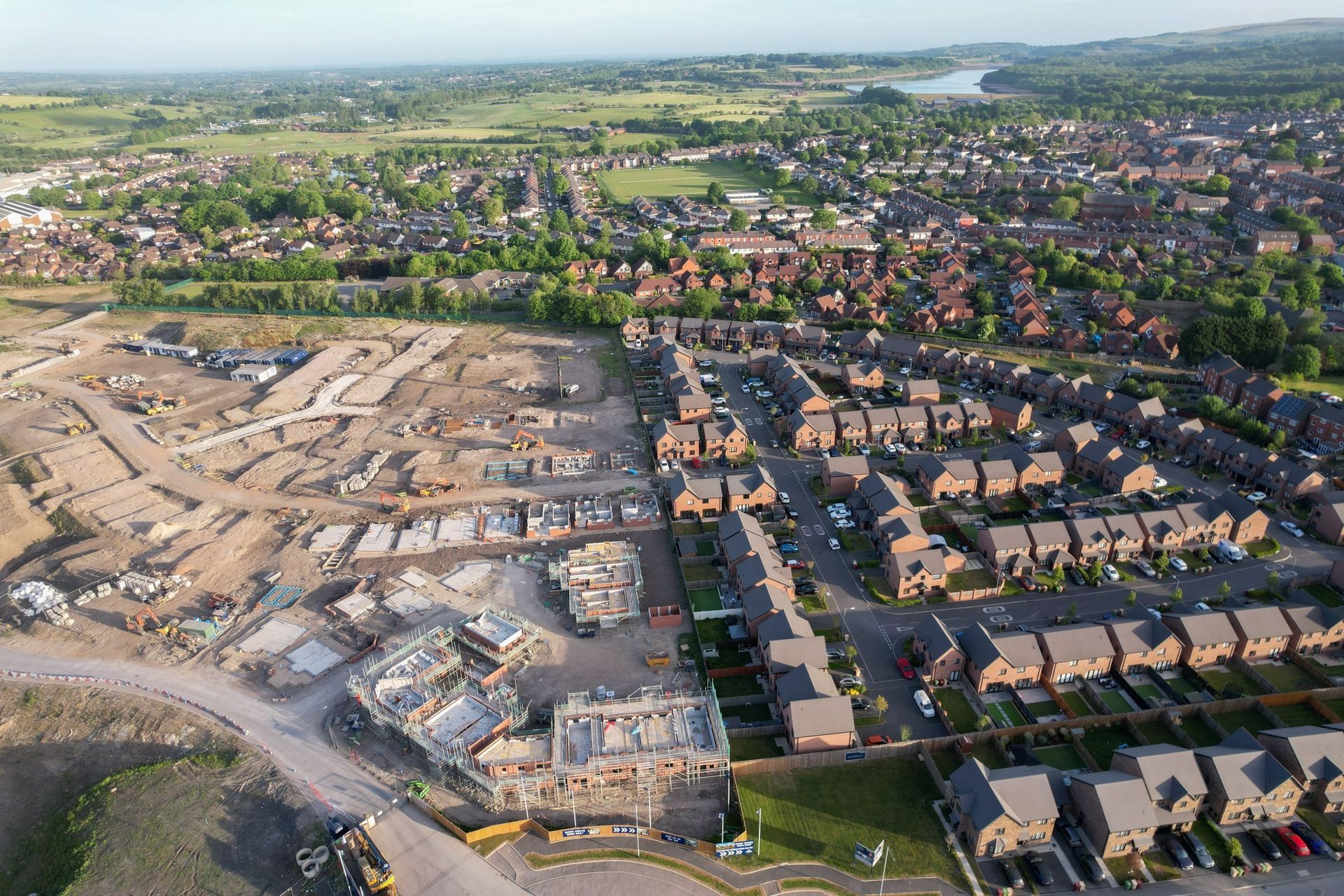
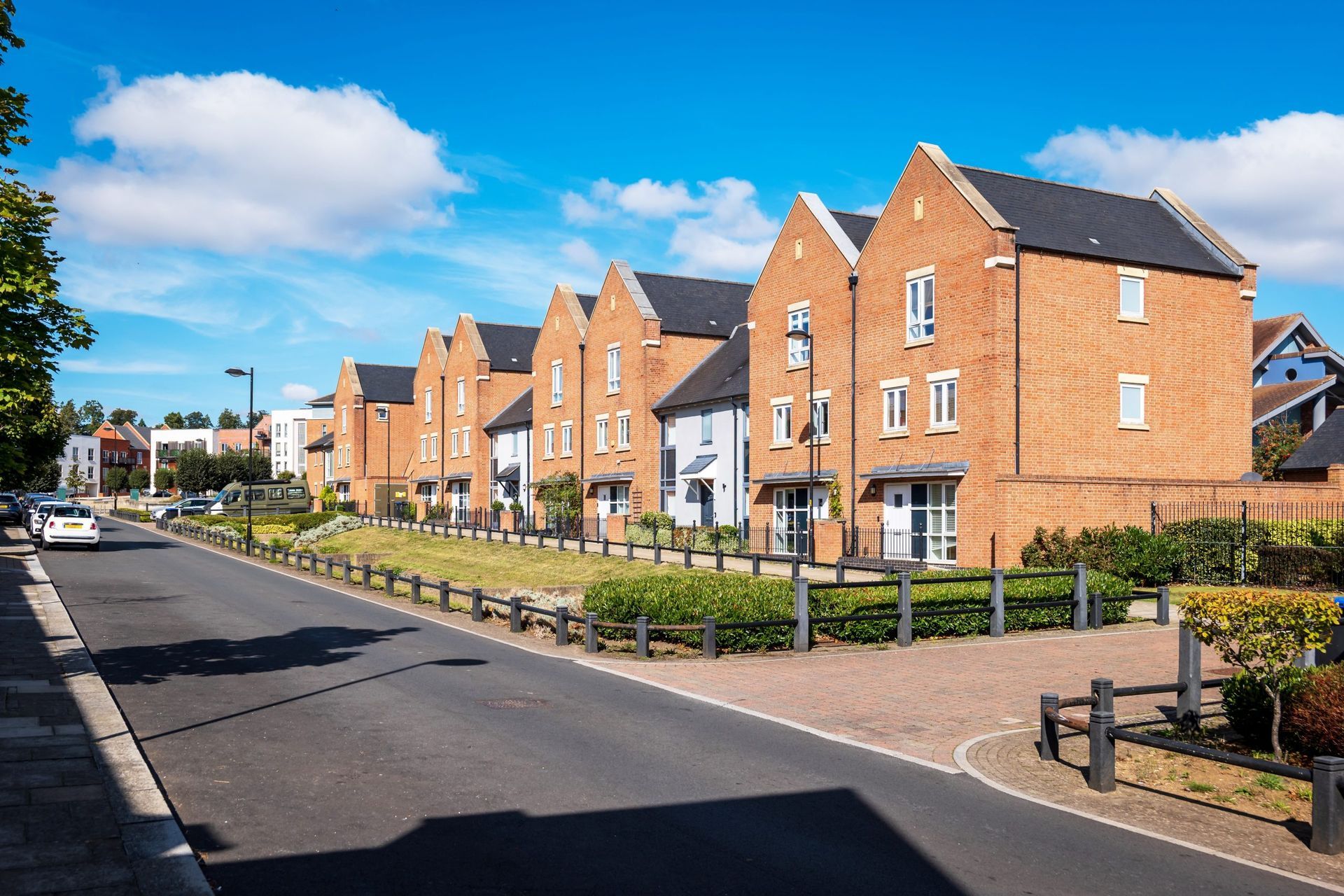
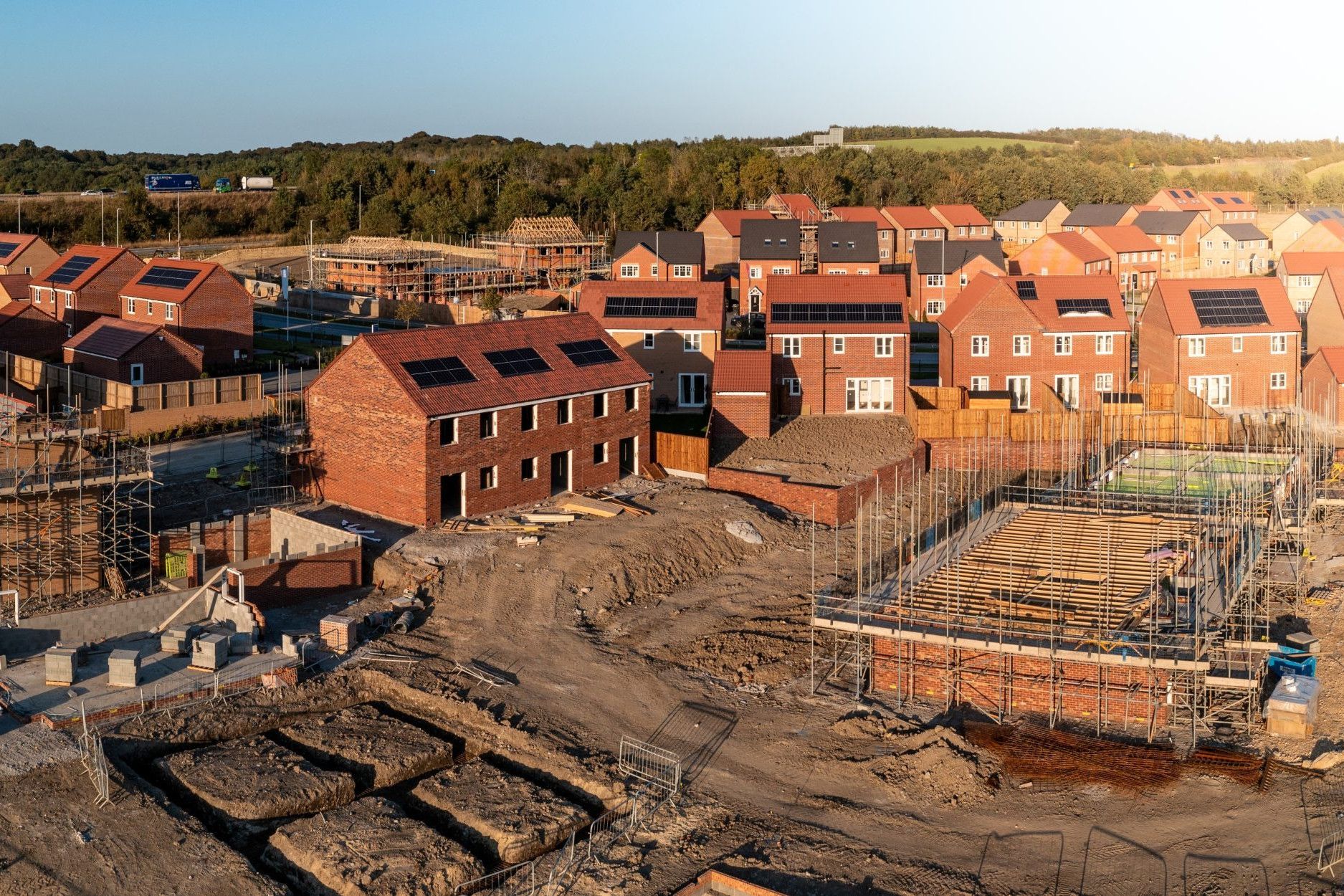
The UK has faced an intergenerational housing shortage, resulting in inequality and limited access to decent housing. However, despite widespread agreement on the need for more homes, there is significant disagreement on how and where to build them. Divergent views on this issue and potential solutions tend to be reflected in the broader greenfield vs. brownfield debate. This topic is particularly relevant as large-scale housing developments on greenfield sites have become a policy priority in England, alongside brownfield regeneration. This is reflected in Paragraph 74 of the NPPF, which states that “the supply of large numbers of new homes can often be best achieved through planning for larger-scale development, such as new settlements”.
This blog, inspired by my Master’s degree thesis in 2023, analyses the motives behind opposition to greenfield housing developments, and to gain a clear understanding of what drives opposition to greenfield housing development, as, to ensure continuous and meaningful community support, it is important that the usual fuel-sources of opposition are diagnosed. My research was based on a questionnaire survey, which gathered 152 responses, providing valuable insights into the factors that drive public opposition to these developments.
Public Perception of New Housing on Greenfield Land
The study initially explored the public’s views on the housing deficit and the construction of new homes in their neighbourhoods. The findings indicate that 94% of respondents believe there is a housing shortage, but only 68.4% agree that new homes should be developed in their neighbourhoods. However, while most respondents were generally favourably inclined towards new housing in their local area, 40% opposed greenfield housing development in principle, compared to 37.5% who supported it- with the remaining respondents taking a neutral stance. Opposition was notably stronger amongst older individuals, social renters, and residents of rural areas.
Respondents were then asked, “what percentage of land in England do you think is currently developed?” to assess their awareness of the proportion of developed land in the country. The majority (25%) believed that 31%-40% of land in England is developed, while 23% believed it is between 21%-30%. However, according to the latest statistics (April 2022), only 8.7% of land in England is developed, with 91.1% undeveloped, and the remaining 0.2% vacant (ONS, 2022). This discrepancy highlights the cognitive gap between respondents’ perceptions and actual land use.
Motives Behind Objections to Greenfield Housing
The findings revealed that nearly 70% of the opposition to greenfield housing is explained by concerns stemming from three motives. These three motives are negatively correlated with support for greenfield housing, meaning that the stronger the concerns, the less likely people are to support such development. The three motives are as follows:
- Personal Affinity: Arguments driven by strong emotional and personal attachments to places, including fear of changes to the local neighbourhood’s character and heritage, as well as strong nostalgic memories.
- Self-Interest: Arguments based on the potential personal impact of greenfield housing developments, such as reduced property values, loss of green views, diminished quality of life, and the influx of outsiders into the neighbourhood.
- Public Justification: Arguments based on the potential impact of greenfield housing on society, such as the threat of urban sprawl, increased car dependency, additional burdens on existing infrastructure, greenhouse gas emissions, loss of natural habitats, and the erosion of green spaces.
Personal affinity is often linked to the psychological perception/significance of the countryside, often referred to as the “rural idyll.” Meanwhile, it is evident that some opposition may result from a concern for personal interest often called NIMBYISM or ‘Not in My Back Yard’. However, it is recognised that an opposition based on self-interest argument is unlikely to win a public debate. Any opposition rooted in public justification must be carefully considered when fostering meaningful dialogue. By acknowledging and addressing these concerns, the conversation can evolve into a more balanced and informed discourse that better considers the interests of all stakeholders involved.
Large-Scale Developments on Greenfield Land
Respondents were also asked to rank the most important aspects they would value in large-scale greenfield housing developments. The majority identified infrastructure facilities such as schools, hospitals, community hubs, and sports and leisure facilities as the most important (84%), followed by well-connected transportation (82%).
Finally, respondents (who initially reported opposing or being neutral toward greenfield housing developments) were asked if they would support such developments if the above aspects were included. Interestingly, I found that opposition towards greenfield housing, which comprised the largest proportion of respondents (40% of the sample initially), became less pronounced following discussion of infrastructure benefits that could accompany development. With the incorporation of infrastructure benefits (in the form of sustainable transportation, parks, open spaces, cultural and recreational facilities, affordable housing, and job opportunities) the proportion of respondents supporting greenfield housing rose from 37.5% to 64%- almost doubling the size of this group. This highlights the importance of a strategic approach to providing key infrastructure for large-scale developments.
A key takeaway from my research is whilst there is recognition that the provision of new homes is a national priority, opposition is often founded on a perception that housing growth is synonymous with a resulting infrastructure deficit. Thus, for policy makers, the imperative is to confound this perception by ensuring that housing supply is married with infrastructure provision. This is so that populations affected by significant change are not incentivised to object on grounds of ‘public justification’. Policy makers must ensure they consider, fully, the implications of increasing housing supply and introduce policies which ensure that public ‘infrastructure goods’ are an equally prominent part of the ‘conversation’. They undoubtedly have a central role if there is meaningful intent to address the negative public perceptions blocking greenfield housing development.