
Jack Dickinson • October 8, 2024

The Knock-on Effects of Biodiversity Net Gain on the Deliverability of Development

Author

Jack Dickinson

Date

October 8, 2024

Share

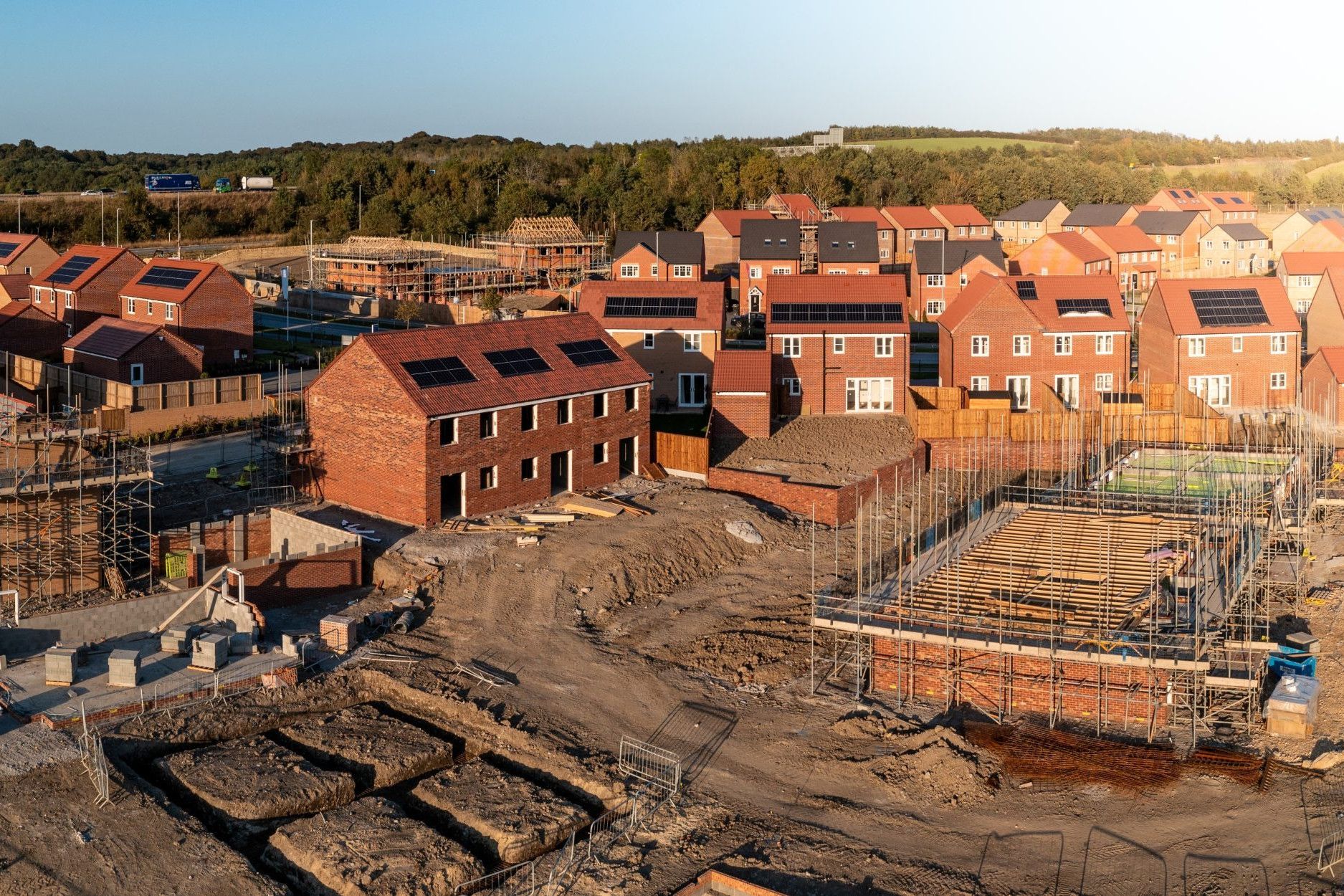
The requirement to achieve a 10% biodiversity net gain (BNG) was made mandatory for planning applications in February 2024 (for major applications) and April 2024 (for minor applications). We are now starting to see the impacts this new legislation is having on the determination of applications and the practical realities of development being able to make a timely start on site.

In one particular case, Nexus’ Manchester office has an application which is close to approval, although the statutory metric demonstrates that development would not be able to provide a 10% biodiversity net gain on site, primarily due to the removal of trees to facilitate development. Interestingly, the trees to be removed aren’t all high quality, with the Arboricultural Survey classifying some as Category C or even U; however, this has no bearing on how trees are treated in the metric.

As the habitats being lost on site are classified as ‘Individual Trees’ – a medium distinctiveness habitat, any off-site solution has to provide habitat units which are either also ‘Individual Trees’ or are a high or very high distinctiveness habitat.

Any application to which mandatory BNG applies will be granted subject to a ‘deemed’ condition requiring the applicant to submit a Biodiversity Gain Plan to the LPA prior to commencement of development. That means that applications without a fixed route to securing BNG may be approved, but that development cannot commence until the means of securing BNG is completely finalised and approved by the LPA.

Whilst the client has explored providing the habitat units on their other land parcels within the local authority area, this solution became problematic, as any land being used for off-site habitat creation must be registered on the Government’s Biodiversity Gain Site Register. Anecdotally, we are informed that the process to registering sites is taking a significant amount of time and is often not compatible with developers’ aspirations to start on site soon after the grant of planning permission, which is the early autumn in this case. The project therefore needs to find a suitable habitat bank with suitable units available to purchase.

As mentioned earlier, habitat units must be either the same as those being lost or of a higher distinctiveness. Ideally, they also have to be within the same Local Planning Authority as the application. If the units purchased are in an adjoining Local Planning Authority or National Character Area, the applicant must purchase 1.5x the number of habitat units they actually need. If the units are not in an adjoining authority or National Character Area, 2x the number of habitat units will need to be purchased. This penalty is known as the ‘spatial multiplier’.

Working alongside several habitat bank brokers and providers, we have found that the availability of habitat units in the same local planning authority or National Character Area in the North West is extremely limited and therefore the units to be purchased in this instance are highly likely to be subject to the spatial multiplier. Increased cost and the complexity of finding and securing the required habitat units is likely to have knock-on effects to the implementation of planning permissions and ultimately, the delivery of development.

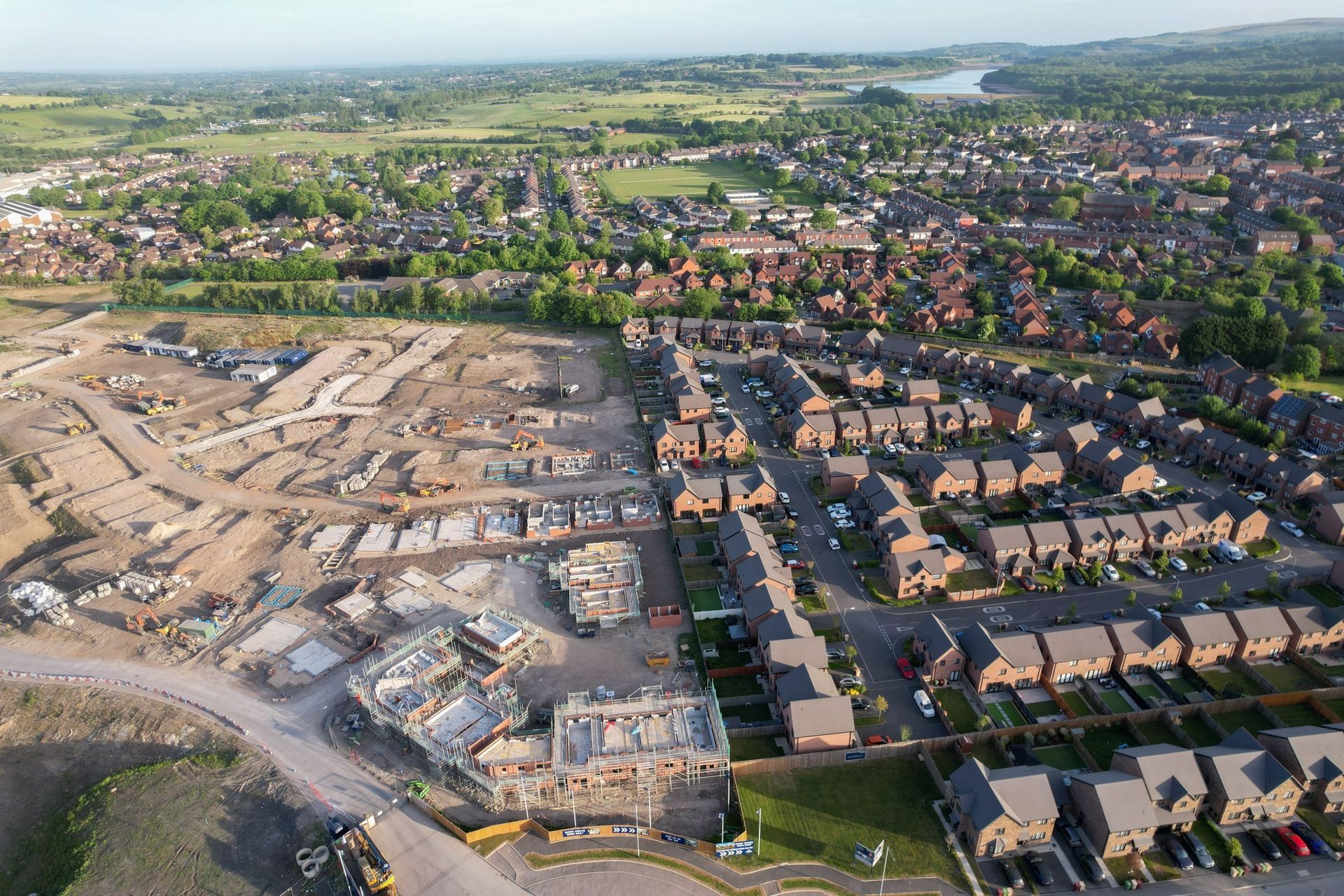
Balanced against the Government’s firm aspiration to significantly increase the number of homes to be built and the renewed emphasis on delivering development in the NPPF consultation, we see a tension on the horizon between ensuring enough planning permissions for residential development are granted and the delays in the deliverability of schemes resulting from the pre-commencement requirements of BNG.

Authored by Jack Dickinson

Associate Director

By Joanne Jones, Associate Director March 3, 2026
Community engagement plays an important role in the planning process and can result in better places being created. There are different legal requirements for engagement depending on the scale and type of development. The post Proximity to a railway station: will this actually deliver more homes in rural areas? appeared first on Nexus Planning.
By Nik Smith February 19, 2026
Community engagement plays an important role in the planning process and can result in better places being created. There are different legal requirements for engagement depending on the scale and type of development. The post Affordable Housing Delivery: A fundamental change of approach? appeared first on Nexus Planning.
By Matt Morris February 13, 2026
Community engagement plays an important role in the planning process and can result in better places being created. There are different legal requirements for engagement depending on the scale and type of development. The post National Planning Policy in a Changing World for Town Centres appeared first on Nexus Planning.
By Elisabeth Pywell February 4, 2026
Community engagement plays an important role in the planning process and can result in better places being created. There are different legal requirements for engagement depending on the scale and type of development. The post The Rise of Single Family Housing in the Build to Rent Sector appeared first on Nexus Planning.
By Sarah Roe December 17, 2025
Community engagement plays an important role in the planning process and can result in better places being created. There are different legal requirements for engagement depending on the scale and type of development. The post What the draft NPPF really means for delivery, regeneration and town centres appeared first on Nexus Planning.
London’s Parliament and Big Ben beside the River Thames on a clear day
By Adam Ross November 26, 2025
Community engagement plays an important role in the planning process and can result in better places being created. There are different legal requirements for engagement depending on the scale and type of development. The post Nexus’ views on 2025 Budget appeared first on Nexus Planning.
Three people in formalwear smiling and holding drinks at a dimly lit event.
By Elisabeth Pywell September 11, 2025
Community engagement plays an important role in the planning process and can result in better places being created. There are different legal requirements for engagement depending on the scale and type of development. The post Planning for Good Health: Reflections from the RTPI Young Planners Conference appeared first on Nexus Planning.
Group touring an indoor exhibit with colorful murals and a model display in a bright gallery.
By Aadil Ijaz July 1, 2025
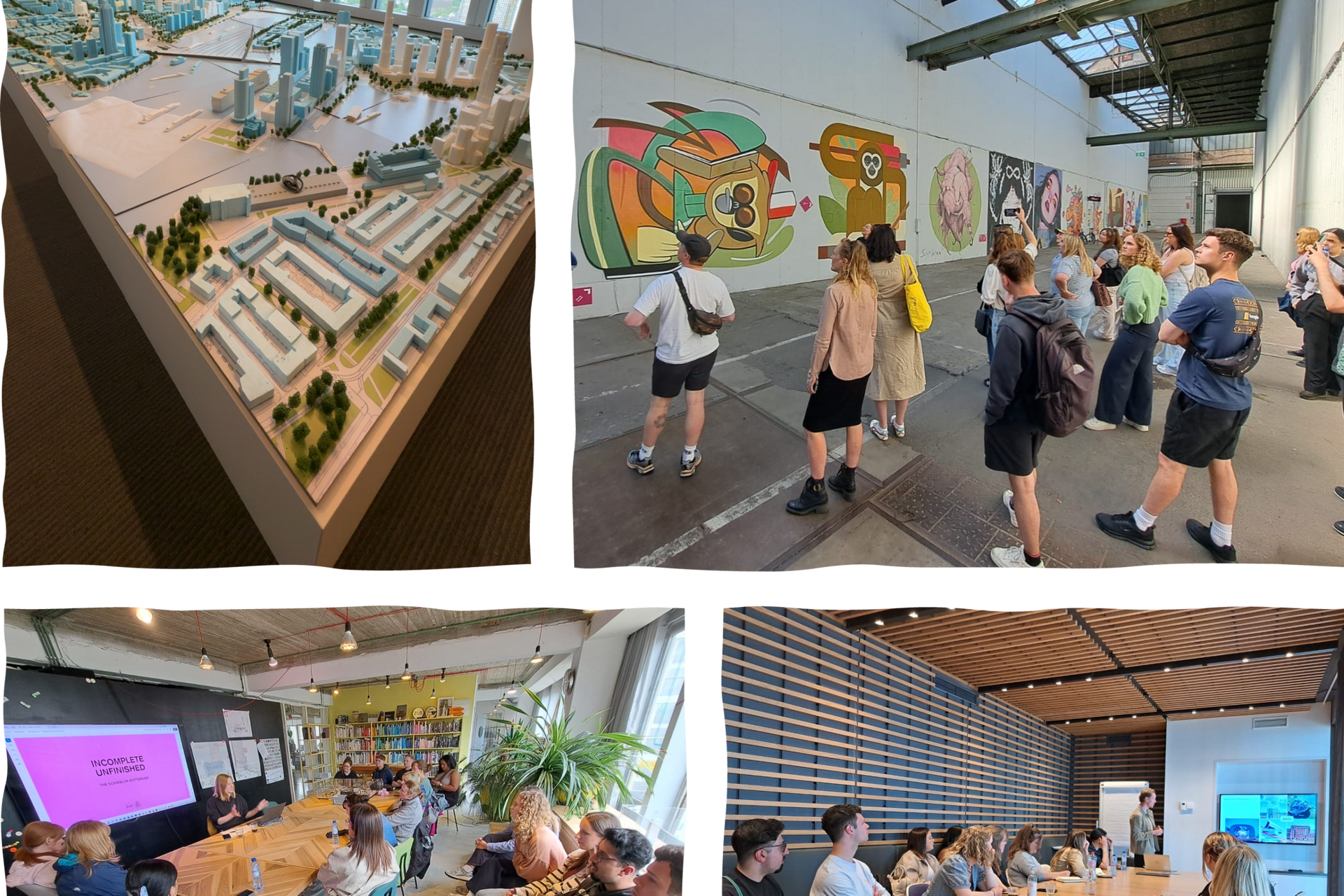
Community engagement plays an important role in the planning process and can result in better places being created. There are different legal requirements for engagement depending on the scale and type of development. The post From the Netherlands to the Midlands: Rethinking Cities for the Future appeared first on Nexus Planning.
Hand reaching toward a golden sunset over a grassy valley and hills
By Jonathan Chick May 23, 2025
Community engagement plays an important role in the planning process and can result in better places being created. There are different legal requirements for engagement depending on the scale and type of development. The post Delays to planning applications: Is there hope on the horizon? appeared first on Nexus Planning.
Office workers and a humanoid robot collaborating at a desk in a modern workspace
By Max Gull April 2, 2025
Community engagement plays an important role in the planning process and can result in better places being created. There are different legal requirements for engagement depending on the scale and type of development. The post Planning the Future: Is AI a key player in finally unlocking the planning system? appeared first on Nexus Planning.
Show More